Who named the adverb bastard child?
Is this because it fails to stand alone,
leans always on another
for meaning
so much like us
at our worst (and best)
we shun them?

In the time when fans spoke quietly
before the days of scream and riot,
we stood with Dylan after a concert
behind the Mosque in Newark.
We talked, shared wine, laughter.
He and Suze invited us to party in the city.
We declined, I had a curfew.

The next year in that same spot,
a mob ran past us. A fan returned
hand in air, shouting “I’ve got his hair!”
So ended gentleness. It’s clear why
Dylan sometimes plays -
his back to the audience.
Adverbs in my mind describe how
              translucent Dylan’s skin
              bright Suze’s smile
              tiny their Volkswagen
              high that fan held her cruel hand.
Cynthia M. Sheward
-

BOB’S ADVERB
-

CHORES
When the Winken Blinken days were gone,
defiance became my middle name.
Dad and I met only over floor tile and paint –
chores well done.We’d visit the lumber yard, select
pine to fashion Adirondack chairs
to grace the deck, unaffected
by wind and rain.Rising early, the bay quiet, we’d share coffee
from a pot that sat – stacked silver orbs –
on the counter – and discuss our day’s
plans, make notes.I’m an ecstatic sander – a lover of latex.
All my life – one gallon at a time
I paint my way back
to my father’s heart. -
FOXCROSS FARM
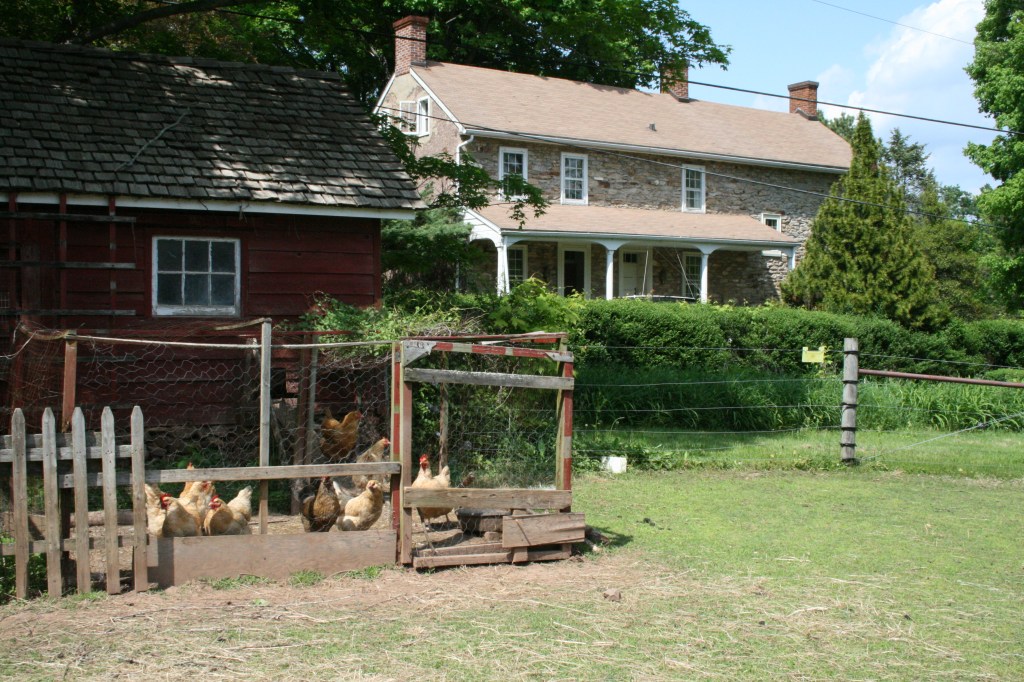
When I think of the farm,
it’s the stone bridge and country
road curving by the low barn.
It’s Tony’s tomatoes, white peacocks.When I think of the farm, I see pine
trees, green pastures, the
bramble roses by the creek
sheep standing in the field.When I think of the farm,
I watch women spinning wool
the whir of wheels descant to
soft voices and gentle laughter.When I think of the farm, I see
Airedales, Romney sheep,
a rabbit and Rhode Island Reds,
a well-fed Peaceable Kingdom.I do not think of the ground
we walked last night when
one of their flock went missing
fearing death had stalked a lamb.When I think of the farm,
I don’t see Anthony striding the fields
Julie peering into corner and cranny
in tense, sweaty anxiety.Death’s but a hair’s breadth
away each day. It makes
sweet our brief walk through time
I don’t think of that. -
WHAT CATS KNOW
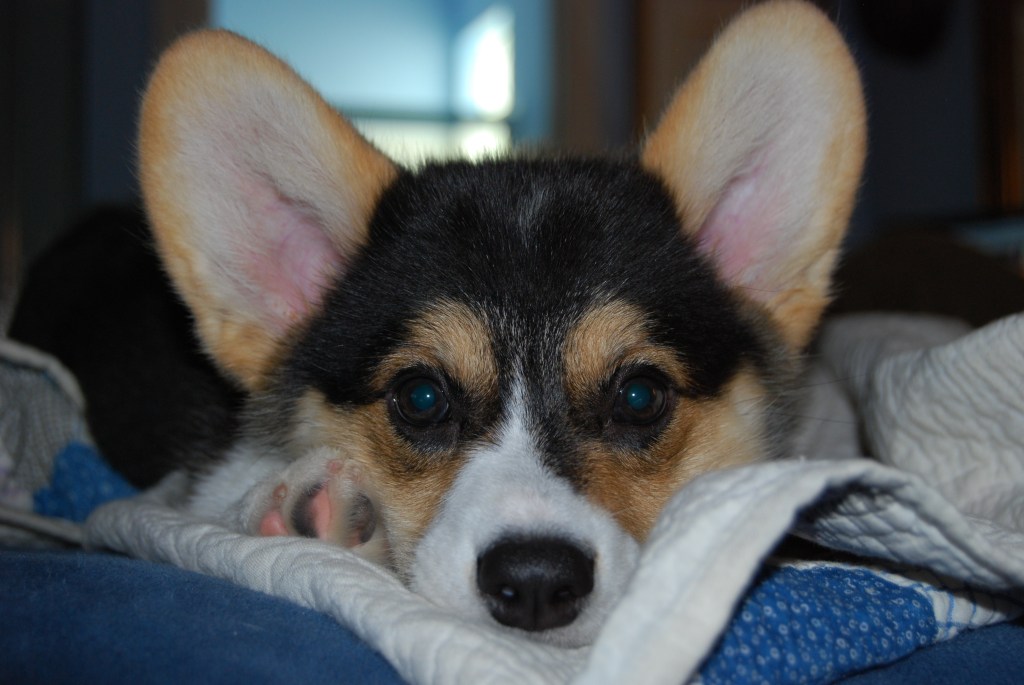
The neighbor’s Siamese
all smoke, beige fur, padded feet
appears in the abandoned yard
next door to torment my puppy.
She cleans herself and watches.
How does she know not to wander
into the busy street out front
or Interstate behind
to be flattened by van or semi?What makes her sit instead
and groom, blue-eyed Charybdis,
hind leg lifted amid weed-shrouded lilacs
while vehicles varoom past and
exhaust wafts through the air
stained with scent of fries and
big Macs from across town?Dogs know none of this.
-

BEACH
Glasses on an open book
its pages ruffled by the wind.
Spring air (as winter melts away)
against a naked patch of skin.
The warmth of sunlight on my back.
The sight of seagulls as they fly.
The scent of sand beneath a towel.
The curl of waves under the arc of sky.
Salt water when it’s clear and cool.
Toweling hair after a swim.
The beauty of the beach when fall is near.
How skin when drying, gathers itself in.
These images and more return to me
when salt and sand and sea’s nearby.
Sweet days lived long before I knew
how life like summertime could fly. -

LIKE ME
Like me.
That’s the drug – a draft of this nectar
can own me into the next life for an accolade
you barely recall.Like me.
Quiet my fears with the smile and nod
I awaited endlessly at war zone dinner tables, parentless
performances and lonely surgeries.Like me
and it’s ok not to have been born a son,
to be funny, a tree climber and never a prom queen
to get migraines.Like me
and I could weep, run,
dance, spread my arms to this fast warming world
in joy, terror and love. -
FIDDLEHEADS
Each May I walked the ground along Bull Run
seeking fiddleheads.
Returning home with my bag of ferns,
I’d blow the papery layer off,
then steam them. Their perfume filled the house
with a scent I dream of still.
I’d arrange the stems and
whorled tops on a painted plate
and drizzle them with hollandaise.
Sitting on the porch with fiddleheads and wine,
I’d watch the sun set and
celebrate surviving another Vermont winter.
The feast made it impossible to believe
the world less than
perfect.Each May I return to that riverside
to walk and pick and steam again
those green ferns in my mind
savor days feasting on found food
before wine and wanting tangled life.It was a small New England town
I taught English to farm kids.
Summers I sold crafts to tourists from a one-room school
with Gretchen Crookshank, 80, all gossip, elegance
and jangling bracelets and the nervous
mother-son pair from Center Street, whose handmade
hats looked machine-made.
I studied knitting with a Norwegian neighbor and
spinning at the Hoffman’s farm.
Barbara, the bus driver, struggled to get her rabbits
to mate – tales of candlelight and music in the barn
defied myths of rabbit reproduction.
I made spending money as a night librarian.
I had kind friends.
My husband loved me.Each May I return to that riverside
to select ferns
and steam them once again
to think on the turns
that took me far from fiddleheads
and the small town that held them.A town I left to wander
from school to ski resort to Fortune 500 corporation –
another marriage and a family
South to Jersey then further still to
Carolina mountains where high along the Blue Ridge
we built a home with our own hands
board by slow board – designing as we went our nest
which, when it fell, almost toppled me as well.
But I had a son to raise and
clothes that needed washing
dinners to cook, a dog to walk
I learned that women hold the world together.
I moved back to the rumble of Interstates and 18 wheelers
where a red-tailed hawk glimpsed early
could hold me the entire day.Each May I look northward
dream of fiddleheads
along Bull Run
remember pale iris in the yard,
where nightly trains
run whistling by. -
UNCLE
He walks the woods no more
this land whose every hill he knows
geodes by the stream
the trail where turkeys file at dusk.
Right hand upon his dog,
he sits beside the window to watch
the squirrels she used to chase
cache nuts against the coming dark.
A doe, two fawns at clearing’s edge
browse by the lick set out last fall.
Their colors blend with leaves and brush
that hide morels awaiting spring.
His wife is ill. Her malaise named
but without cure. His hips, once limber,
grate now sharply bone on bone.
He lets the dog out, sees her roam.
When he whistles,
she trots slowly home.Cynthia M. Sheward
 A WELL TRAVELED HEART